Kitchen Plumbing 101: A Homeowner’s Guide
Kitchen Plumbing 101: A Homeowner’s Guide

Alex Mercer
Alex Mercer
Introduction
Your kitchen plumbing system is the heart of a functional home. From the faucet that delivers clean water to the dishwasher and garbage disposal that manage daily tasks, every component plays a vital role in keeping your kitchen clean, efficient, and safe.
Understanding how these systems work allows homeowners to prevent leaks, avoid clogs, and save money on unexpected repairs. With a little knowledge and regular maintenance, you can keep your kitchen plumbing performing perfectly and extend the lifespan of all your fixtures and appliances.
Understanding Your Water Supply
Every kitchen relies on a well-designed water supply system to deliver fresh water to sinks, dishwashers, and other appliances. The pipes used most often are copper, PEX, and PVC — each with unique advantages.
Copper pipes are strong and long-lasting, ideal for high-pressure systems.
PEX pipes are flexible and easy to install, making them perfect for modern renovations.
PVC pipes are cost-effective but less suitable for high-temperature water.
Properly installed supply lines include shut-off valves under the sink, allowing you to stop water flow when performing repairs or replacing fixtures. These valves are essential for preventing leaks and minimizing water damage during maintenance.
Drainage and the P-Trap
Once water is used, it needs to leave your kitchen efficiently. The drainage system carries wastewater away from your sink and appliances to your home’s main sewer or septic line.
For smooth operation, the drain pipes must have the correct slope and straight connections to allow gravity to pull the water through. A poor slope or misaligned connection can cause slow drainage and frequent clogs.
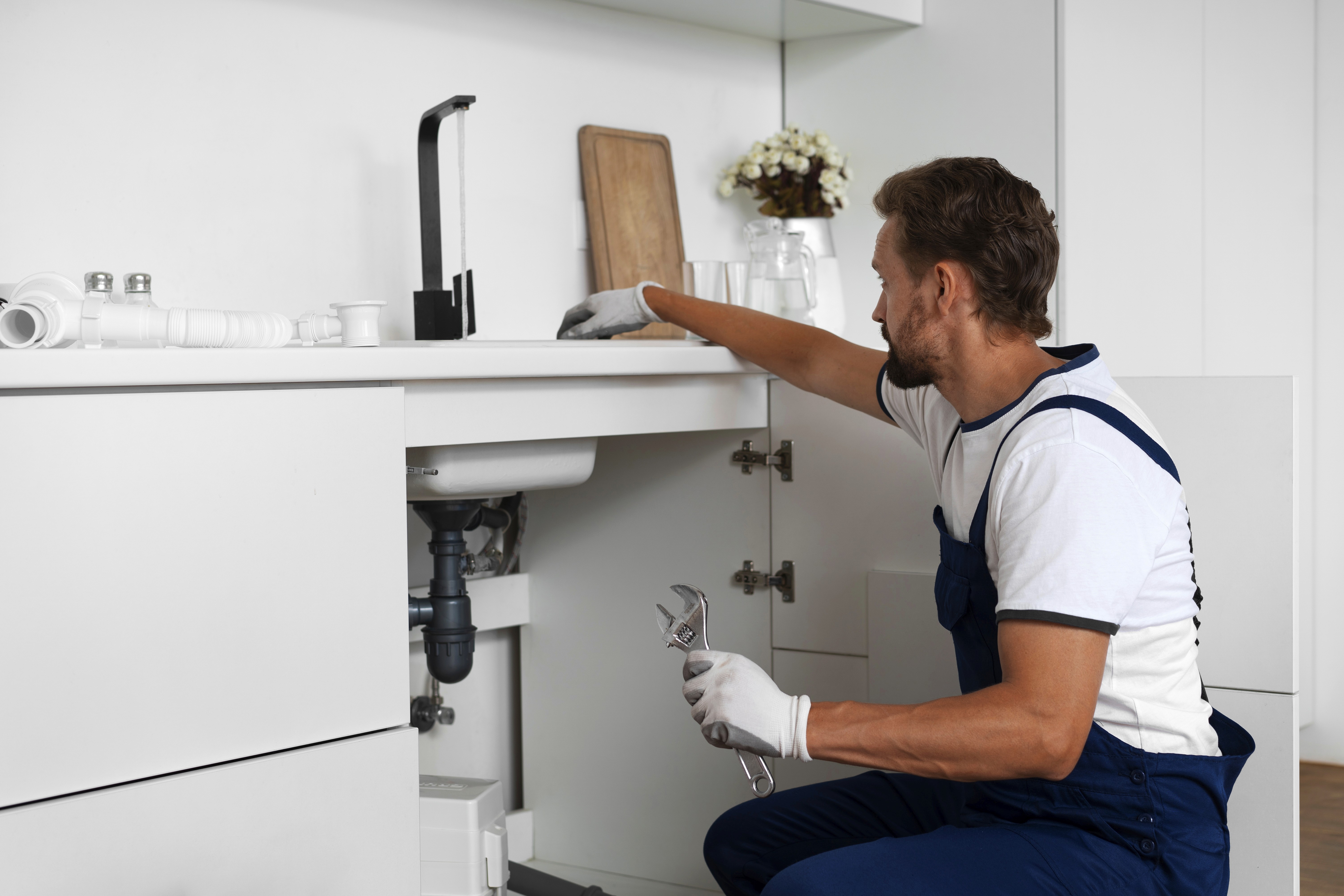
At the center of your sink’s drainage setup is the P-trap — the curved section of pipe under your sink. The P-trap holds a small amount of water at all times, which acts as a seal to block sewer gases from entering your kitchen. It also serves as a safety net, catching small objects like rings or utensils that might accidentally fall into the drain.
Common Problems and How to Avoid Them
Even with a well-installed system, kitchen plumbing can face clogs, leaks, and unpleasant odors over time. Fortunately, most of these issues are easy to prevent with a few simple habits:
Avoid grease buildup: Never pour grease, oil, or fat down the drain. Once cooled, it solidifies inside pipes and causes blockages.
Prevent food waste blockages: Use a sink strainer to catch solid debris before it enters the drain.
Check fittings and pipes regularly: Loose or corroded connections can cause leaks, so inspect them often and tighten or replace as needed.
Regular maintenance, such as flushing your drains with hot water and checking for small leaks, can go a long way toward avoiding expensive plumbing repairs and keeping your kitchen running smoothly.
Upgrading Your Kitchen Plumbing
If your kitchen plumbing is aging or showing signs of wear, a few upgrades can dramatically improve efficiency and reliability.
Consider installing low-flow faucets that reduce water consumption without sacrificing pressure. Replacing old pipes with flexible PEX tubing can simplify installation and provide long-term durability. Adding a garbage disposal unit can make waste management easier, but it should always be installed correctly to avoid drain issues.
You should also focus on organization and accessibility under the sink — keeping valves, traps, and pipes neatly arranged and easy to reach. This makes routine inspections and emergency repairs quicker and less stressful.
Conclusion
A well-maintained kitchen plumbing system ensures that your kitchen operates smoothly and safely every day. By understanding your water supply, drainage design, and common problem areas, you can take proactive steps to prevent damage and reduce costly repairs.
Upgrading fixtures, using quality materials, and performing regular checks help your plumbing system last for years while saving water and protecting your home. With a little attention and care, your kitchen will remain efficient, clean, and worry-free.
Introduction
Your kitchen plumbing system is the heart of a functional home. From the faucet that delivers clean water to the dishwasher and garbage disposal that manage daily tasks, every component plays a vital role in keeping your kitchen clean, efficient, and safe.
Understanding how these systems work allows homeowners to prevent leaks, avoid clogs, and save money on unexpected repairs. With a little knowledge and regular maintenance, you can keep your kitchen plumbing performing perfectly and extend the lifespan of all your fixtures and appliances.
Understanding Your Water Supply
Every kitchen relies on a well-designed water supply system to deliver fresh water to sinks, dishwashers, and other appliances. The pipes used most often are copper, PEX, and PVC — each with unique advantages.
Copper pipes are strong and long-lasting, ideal for high-pressure systems.
PEX pipes are flexible and easy to install, making them perfect for modern renovations.
PVC pipes are cost-effective but less suitable for high-temperature water.
Properly installed supply lines include shut-off valves under the sink, allowing you to stop water flow when performing repairs or replacing fixtures. These valves are essential for preventing leaks and minimizing water damage during maintenance.
Drainage and the P-Trap
Once water is used, it needs to leave your kitchen efficiently. The drainage system carries wastewater away from your sink and appliances to your home’s main sewer or septic line.
For smooth operation, the drain pipes must have the correct slope and straight connections to allow gravity to pull the water through. A poor slope or misaligned connection can cause slow drainage and frequent clogs.
At the center of your sink’s drainage setup is the P-trap — the curved section of pipe under your sink. The P-trap holds a small amount of water at all times, which acts as a seal to block sewer gases from entering your kitchen. It also serves as a safety net, catching small objects like rings or utensils that might accidentally fall into the drain.
Common Problems and How to Avoid Them
Even with a well-installed system, kitchen plumbing can face clogs, leaks, and unpleasant odors over time. Fortunately, most of these issues are easy to prevent with a few simple habits:
Avoid grease buildup: Never pour grease, oil, or fat down the drain. Once cooled, it solidifies inside pipes and causes blockages.
Prevent food waste blockages: Use a sink strainer to catch solid debris before it enters the drain.
Check fittings and pipes regularly: Loose or corroded connections can cause leaks, so inspect them often and tighten or replace as needed.
Regular maintenance, such as flushing your drains with hot water and checking for small leaks, can go a long way toward avoiding expensive plumbing repairs and keeping your kitchen running smoothly.
Upgrading Your Kitchen Plumbing
If your kitchen plumbing is aging or showing signs of wear, a few upgrades can dramatically improve efficiency and reliability.
Consider installing low-flow faucets that reduce water consumption without sacrificing pressure. Replacing old pipes with flexible PEX tubing can simplify installation and provide long-term durability. Adding a garbage disposal unit can make waste management easier, but it should always be installed correctly to avoid drain issues.
You should also focus on organization and accessibility under the sink — keeping valves, traps, and pipes neatly arranged and easy to reach. This makes routine inspections and emergency repairs quicker and less stressful.
Conclusion
A well-maintained kitchen plumbing system ensures that your kitchen operates smoothly and safely every day. By understanding your water supply, drainage design, and common problem areas, you can take proactive steps to prevent damage and reduce costly repairs.
Upgrading fixtures, using quality materials, and performing regular checks help your plumbing system last for years while saving water and protecting your home. With a little attention and care, your kitchen will remain efficient, clean, and worry-free.
Related blog
Related blog
Kitchen Plumbing

Seasonal Home Maintenance: A Complete Guide
Nov 9, 2025
•
6
min read
Kitchen Plumbing
Seasonal Home Maintenance: A Complete Guide
Nov 9, 2025
•
6
min read
Kitchen Plumbing

Essential Home Maintenance Tips for Every Smart Homeowner
Nov 9, 2025
•
6
min read
Kitchen Plumbing
Essential Home Maintenance Tips for Every Smart Homeowner
Nov 9, 2025
•
6
min read