Bathroom Plumbing Basics Every Homeowner Should Know
Bathroom Plumbing Basics Every Homeowner Should Know

David Chen
David Chen
Introduction
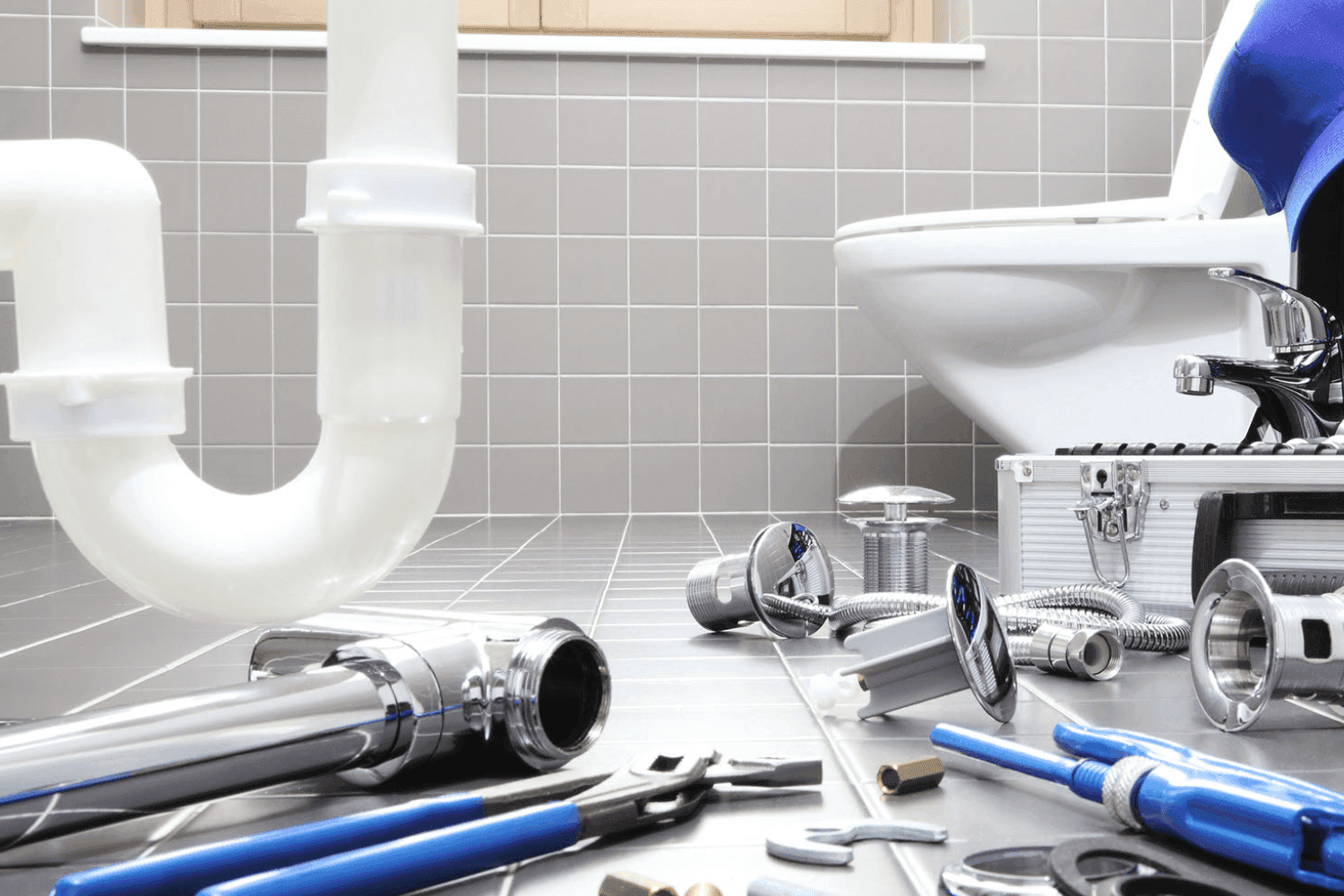
Bathroom plumbing plays a crucial role in maintaining the comfort and hygiene of your home. It consists of a network of pipes, valves, and fixtures that work together to deliver clean water and remove wastewater efficiently. Understanding the basic structure of your bathroom plumbing can help you spot potential problems early, address small issues before they escalate, and maintain a reliable water system. A little plumbing knowledge goes a long way in keeping your bathroom functional and stress-free.
The Water Supply System
The water supply system is responsible for bringing clean water into your bathroom from the main water line. It’s made up of supply pipes that distribute water to your sink, shower, bathtub, and toilet. Common pipe materials include copper, PEX (cross-linked polyethylene), and PVC (polyvinyl chloride) — each known for its strength, flexibility, and durability.
Water enters your bathroom under pressure, allowing it to flow quickly through faucets and showerheads. To maintain consistent pressure and avoid leaks, it’s essential to inspect joints, valves, and pipe fittings periodically. Detecting small issues early can help you prevent major plumbing failures and water waste.
Drainage and Ventilation
Once you’ve used water, it must leave your bathroom just as efficiently. The drainage system carries wastewater away through a series of sloped pipes that rely on gravity to guide the flow. This network connects to your home’s main sewer or septic line.
Equally important are the vent pipes, which allow air to enter the drainage system. These vents balance air pressure, ensuring that wastewater flows freely and preventing unpleasant sewer gases from entering your living spaces. If you notice gurgling sounds or slow drains, it could indicate a blockage or ventilation issue that needs professional attention.
Common Fixtures
Your bathroom plumbing connects several key fixtures, including the sink, shower, bathtub, and toilet. Each fixture has its own supply lines for hot and cold water and drain lines to remove wastewater. Proper installation and alignment of these lines are critical to prevent leaks, clogs, or low water pressure.
For example, a loose sink connection can lead to hidden cabinet damage, while an improperly sealed bathtub drain can cause water to seep into floors or walls. Regularly checking fixture connections and seals ensures that everything operates smoothly and efficiently.
Maintenance Tips
Preventive care is the best way to keep your bathroom plumbing in excellent condition. Check regularly for slow drains, dripping faucets, or constantly running toilets — all of which can signal leaks or worn components.
Simple steps like cleaning drain covers, avoiding grease or debris buildup, and tightening loose fittings can go a long way in preventing major issues. Schedule annual plumbing inspections if possible, as a professional plumber can identify potential problems you might overlook. Routine maintenance not only prevents costly repairs but also helps conserve water and improve efficiency.
Conclusion
Having a basic understanding of your bathroom plumbing layout empowers you to take better care of it. By staying alert to changes in water pressure, drain speed, or fixture performance, you can detect issues early and act before they become major concerns.
Consistent maintenance and awareness ensure your plumbing system remains efficient, reliable, and durable — keeping your bathroom running smoothly and your home stress-free.
Introduction
Bathroom plumbing plays a crucial role in maintaining the comfort and hygiene of your home. It consists of a network of pipes, valves, and fixtures that work together to deliver clean water and remove wastewater efficiently. Understanding the basic structure of your bathroom plumbing can help you spot potential problems early, address small issues before they escalate, and maintain a reliable water system. A little plumbing knowledge goes a long way in keeping your bathroom functional and stress-free.
The Water Supply System
The water supply system is responsible for bringing clean water into your bathroom from the main water line. It’s made up of supply pipes that distribute water to your sink, shower, bathtub, and toilet. Common pipe materials include copper, PEX (cross-linked polyethylene), and PVC (polyvinyl chloride) — each known for its strength, flexibility, and durability.
Water enters your bathroom under pressure, allowing it to flow quickly through faucets and showerheads. To maintain consistent pressure and avoid leaks, it’s essential to inspect joints, valves, and pipe fittings periodically. Detecting small issues early can help you prevent major plumbing failures and water waste.
Drainage and Ventilation
Once you’ve used water, it must leave your bathroom just as efficiently. The drainage system carries wastewater away through a series of sloped pipes that rely on gravity to guide the flow. This network connects to your home’s main sewer or septic line.
Equally important are the vent pipes, which allow air to enter the drainage system. These vents balance air pressure, ensuring that wastewater flows freely and preventing unpleasant sewer gases from entering your living spaces. If you notice gurgling sounds or slow drains, it could indicate a blockage or ventilation issue that needs professional attention.
Common Fixtures
Your bathroom plumbing connects several key fixtures, including the sink, shower, bathtub, and toilet. Each fixture has its own supply lines for hot and cold water and drain lines to remove wastewater. Proper installation and alignment of these lines are critical to prevent leaks, clogs, or low water pressure.
For example, a loose sink connection can lead to hidden cabinet damage, while an improperly sealed bathtub drain can cause water to seep into floors or walls. Regularly checking fixture connections and seals ensures that everything operates smoothly and efficiently.
Maintenance Tips
Preventive care is the best way to keep your bathroom plumbing in excellent condition. Check regularly for slow drains, dripping faucets, or constantly running toilets — all of which can signal leaks or worn components.
Simple steps like cleaning drain covers, avoiding grease or debris buildup, and tightening loose fittings can go a long way in preventing major issues. Schedule annual plumbing inspections if possible, as a professional plumber can identify potential problems you might overlook. Routine maintenance not only prevents costly repairs but also helps conserve water and improve efficiency.
Conclusion
Having a basic understanding of your bathroom plumbing layout empowers you to take better care of it. By staying alert to changes in water pressure, drain speed, or fixture performance, you can detect issues early and act before they become major concerns.
Consistent maintenance and awareness ensure your plumbing system remains efficient, reliable, and durable — keeping your bathroom running smoothly and your home stress-free.
Related blog
Related blog
Kitchen Plumbing

Seasonal Home Maintenance: A Complete Guide
Nov 9, 2025
•
6
min read
Kitchen Plumbing
Seasonal Home Maintenance: A Complete Guide
Nov 9, 2025
•
6
min read
Kitchen Plumbing

Essential Home Maintenance Tips for Every Smart Homeowner
Nov 9, 2025
•
6
min read
Kitchen Plumbing
Essential Home Maintenance Tips for Every Smart Homeowner
Nov 9, 2025
•
6
min read